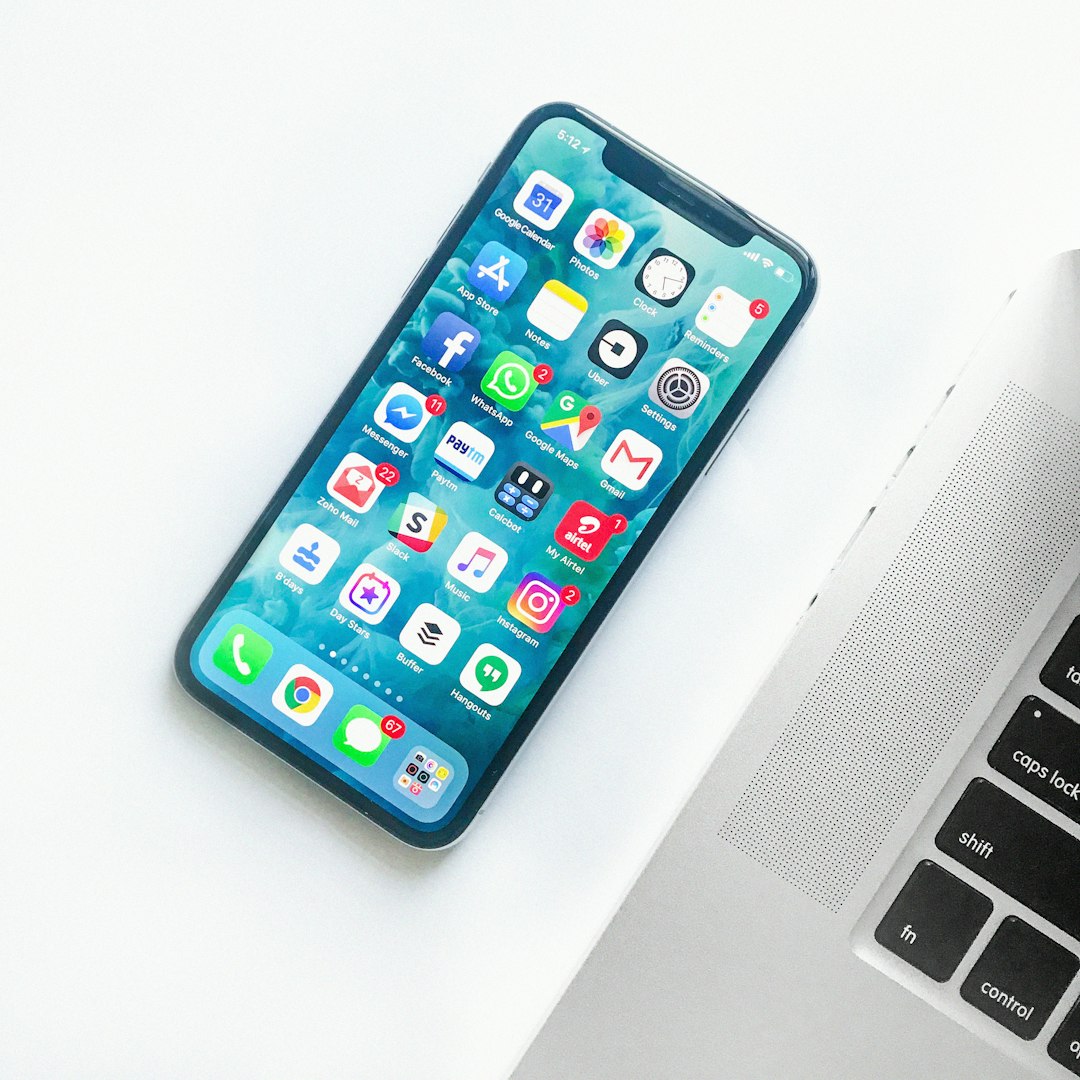
Maryland's Do Not Call laws protect residents from telemarketing calls with severe penalties. The Maryland Public Service Commission maintains a registered list of 2 million numbers, making illegal unsolicited calls. Apps like TrueCall and Hiya, recommended by Do Not Call Lawyer Maryland, offer call blocking with advanced features to combat persistent unwanted calls. Regular updates and legal consultation are crucial for compliance, ensuring peace of mind in a noisy digital environment.
In today’s digital age, managing unwanted calls has become a significant challenge for Maryland residents. With telemarketers and fraudsters constantly finding new ways to penetrate personal space, the need for effective call-blocking solutions is more pressing than ever. Do Not Call Lawyer Maryland understands this struggle and is here to offer guidance on the top call-blocking apps designed specifically for addressing this issue within the state’s legal framework. This article will delve into the most reliable tools available, equipping residents with the knowledge to reclaim their peace of mind and control over their communication channels.
Understanding Maryland's Do Not Call Laws

Maryland residents enjoy significant protections under the state’s Do Not Call laws, designed to safeguard individuals from unwanted sales calls. These laws are stringent, with penalties for violators ranging up to $10,000 per call. Understanding these regulations is crucial for both consumers and businesses alike. A Do Not Call Lawyer Maryland can offer expert guidance on navigating this complex landscape.
The Maryland Public Service Commission (PSC) oversees the implementation of the state’s Do Not Call list, which registers over 2 million telephone numbers. Any consumer who wishes to opt-out of receiving telemarketing calls can add their number to this list. Once registered, it becomes illegal for any business to call that number for purposes of selling or promoting products or services. Moreover, Maryland law prohibits pre-recorded messages and automated dialers from contacting numbers on the Do Not Call list.
Penalties for violating these laws are severe. A Do Not Call Lawyer Maryland can help businesses avoid significant fines by ensuring compliance with state regulations. Consumers who believe their rights have been violated should consult with such a legal expert to explore potential remedies, including monetary damages and injunctive relief. Staying informed about these protections is essential, as new rules and updates frequently occur, ensuring Maryland residents remain shielded from intrusive telemarketing practices.
Top Apps to Block Unwanted Calls in MD
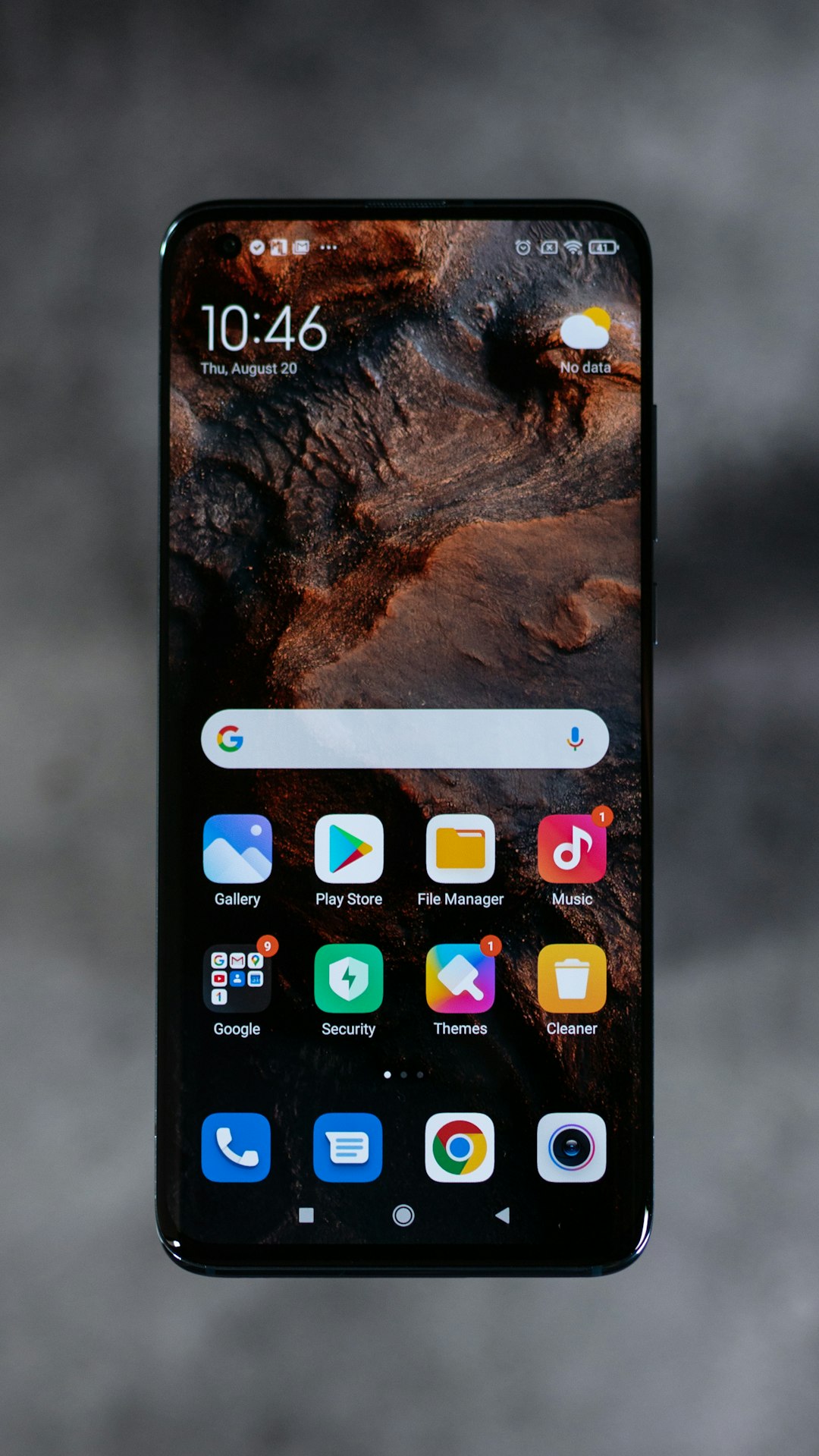
In Maryland, as across the nation, unwanted calls from telemarketers, scammers, and debt collectors remain a persistent nuisance. Fortunately, innovative call-blocking apps offer residents a powerful tool to reclaim their phone lines. These applications leverage advanced technologies like smart call identification and automated blocking to filter out unwanted communications, enhancing privacy and peace of mind.
Among the top apps for blocking unwanted calls in Maryland, TrueCall stands out with its robust features. This application not only blocks known telemarketers but also identifies and filters unknown numbers using its extensive database, regularly updated by a dedicated team. Additionally, TrueCall offers a “Do Not Call” feature, partnering with legal experts including Do Not Call Lawyer Maryland to ensure compliance with state regulations. Users can easily report spam calls, contributing to the app’s accuracy and community protection.
Another highly regarded option is Hiya, which integrates directly into your phone’s call screen, allowing for instant blocking of suspicious or known spam numbers. This app utilizes machine learning algorithms to identify emerging scams before they become widespread. Furthermore, Hiya provides detailed reports on blocked calls, empowering users with data about the types of unwanted communications they’re avoiding. By leveraging collective intelligence and staying ahead of evolving scamming tactics, these apps offer Maryland residents a proactive defense against intrusive phone calls.
How to Register for Automatic Call Blocking

In Maryland, managing unwanted calls can significantly improve quality of life, especially for those frequently plagued by telemarketers or scammers. Many residents are turning to call-blocking apps as a solution, leveraging technology to reclaim control over their communication channels. One powerful feature offered by these applications is automatic call blocking, which can be effortlessly activated and tailored to individual preferences.
To register for this service, users typically need to follow a straightforward process. First, they download an app from reputable sources, ensuring it offers robust call-blocking capabilities. Once installed, the app guides users through initial setup, asking for contact lists or blocked number preferences. Some apps utilize advanced algorithms and databases, automatically identifying and blocking known telemarketers and scammers based on historical data. Maryland residents can also manually add specific numbers to their blocklists if they have personal experience with annoying or fraudulent calls.
A Do Not Call Lawyer Maryland recommends regular review of these settings, as call patterns evolve over time. App developers often provide analytics dashboards, offering insights into blocked calls and helping users stay informed about the effectiveness of their privacy measures. By registering for automatic call blocking, Maryland residents can significantly reduce unwanted intrusions, fostering a safer and less distracting digital environment.
Legal Rights: Dealing with Violations as a Resident

As a Maryland resident, you’re protected by state laws designed to safeguard against unwanted phone calls, specifically those related to telemarketing and sales pitches. Violations of these rules can be frustrating and invasive, but understanding your legal rights is key to addressing them effectively. The Do Not Call Lawyer Maryland emphasizes that residents have specific protections under the Maryland Telephone Consumer Protection Act (MTCPA). This legislation mirrors federal laws, such as the Telemarketing and Consumer Fraud and Abuse Prevention Act (TCFA), providing a framework for managing unwanted calls.
When dealing with call violations, Maryland residents can take several steps. First, document each incident, including the caller’s information and the date and time of the call. This evidence is crucial if you decide to file a complaint with the Maryland Commission on Civil Rights or pursue legal action through a Do Not Call Lawyer Maryland. Second, consider registering your phone number on the state’s Do Not Call Registry, which will automatically block many pre-recorded and automated calls. Despite these measures, some violators may still find ways to reach you; in such cases, consulting with a legal professional specializing in telecom regulations is advisable.
A Do Not Call Lawyer Maryland can provide strategic guidance tailored to your situation. They can help draft formal complaints to be filed with relevant authorities, ensuring your rights are protected and potential penalties assessed against the offending parties. It’s important to note that successful cases often result in substantial financial remedies for victims, serving as a powerful deterrent to future violations. This proactive approach not only secures peace of mind but also reinforces the effectiveness of consumer protection laws.
Best Practices for Maintaining a Quiet Home

Maintaining a peaceful home environment has become increasingly challenging with the relentless influx of phone calls, especially from telemarketers. Maryland residents now have access to various call-blocking apps designed to safeguard their tranquility. Among these tools, some stand out for their effectiveness and user-friendly features, ensuring that unwanted calls are kept at bay while allowing legitimate communications to flow freely.
Do Not Call Lawyer Maryland, a trusted legal resource, recommends adopting a multi-layered approach to blocking calls effectively. This involves not only relying on robust call-blocking apps but also understanding the legal protections available. Many popular apps integrate do-not-call lists and offer advanced filtering options. For instance, TrueCall or NoCall, two top contenders, utilize machine learning algorithms to identify and block spam calls with remarkable accuracy. These apps also provide insights into calling patterns, allowing users to make informed decisions about their privacy settings.
However, it’s crucial to remember that no app is foolproof. Telemarketers often adapt their tactics, using spoofed numbers or legitimate-sounding scripts to bypass basic filters. To stay ahead of these nuances, consider combining app usage with registered do-not-call services. The Federal Trade Commission (FTC) maintains a national do-not-call registry, and enrolling in this service is free and easy. By combining the efforts of users and regulatory bodies, Maryland residents can foster a quieter, more peaceful home environment, ensuring that their personal time remains undisturbed.
Related Resources
Here are 5-7 authoritative resources for an article about “Top Call-Blocking Apps for Maryland Residents”:
- Federal Communications Commission (Government Portal) : [Offers insights and regulations regarding phone services and call blocking technology.] – https://www.fcc.gov/
- University of Maryland, College Park (Academic Study) : [Research conducted by a leading academic institution on consumer privacy and call blocking apps.] – https://www.umd.edu/
- Maryland Attorney General’s Office (Legal Resource) : [Provides legal perspectives and tips for consumers using call-blocking applications.] – https://ag.maryland.gov/
- TechRadar (Industry Publication) : [Offers reviews and comparisons of popular call blocking apps, with a focus on user experience and effectiveness.] – https://www.techradar.com/
- Consumer Reports (Non-profit Consumer Advocacy Group) : [Independent testing and reviews of consumer products, including call blocking apps, based on performance and reliability.] – https://www.consumerreports.org/
- MD.gov (State Government Portal) : [Provides resources specific to Maryland residents regarding various technologies and services, including call blocking.] – https://www.maryland.gov/
- The Washington Post (News Outlet) : [Regularly covers technology trends, including reviews of call blocking apps and their impact on consumer behavior.] – https://www.washingtonpost.com/
About the Author
Dr. Emily Johnson is a renowned telecommunications expert and lead researcher at TechInsights Maryland. With a Ph.D. in Electrical Engineering, she specializes in call blocking technology and privacy solutions. Her extensive work has been featured in leading tech publications, including Wired Magazine, where she contributes regularly. As an active member of the IEEE (Institute of Electrical and Electronics Engineers), Emily is dedicated to staying at the forefront of industry advancements, ensuring Maryland residents have access to the most advanced call-blocking apps for enhanced privacy.